Building AI Agents That Survive Production
A practical guide to turning an impressive agent demo into a reliable production system.

AI agent demos often look magical because the happy path is short: give the model a goal, expose a few tools, and watch it complete the task. Production is different. Inputs are incomplete, APIs fail, permissions change, and the model occasionally makes a confident but invalid choice. The real engineering work starts where the demo ends.
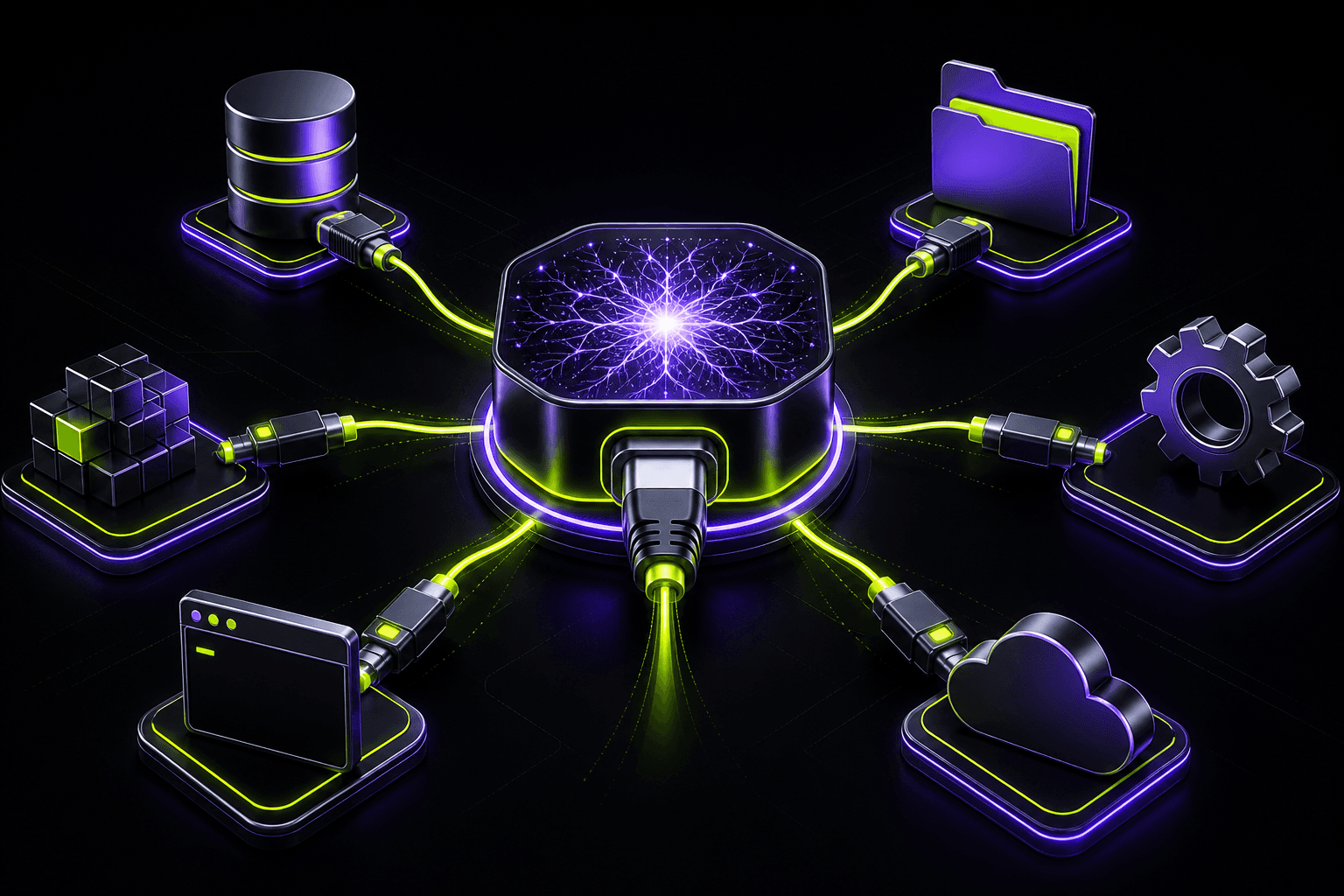
The first step is to make every tool narrow and explicit. A tool called "manage project" leaves too much room for interpretation. Separate tools such as "create task," "assign task," and "close task" have clearer inputs, permissions, and outcomes. Validate every argument at runtime, even if the model produced structurally valid JSON. Types help developers; validation protects the system.
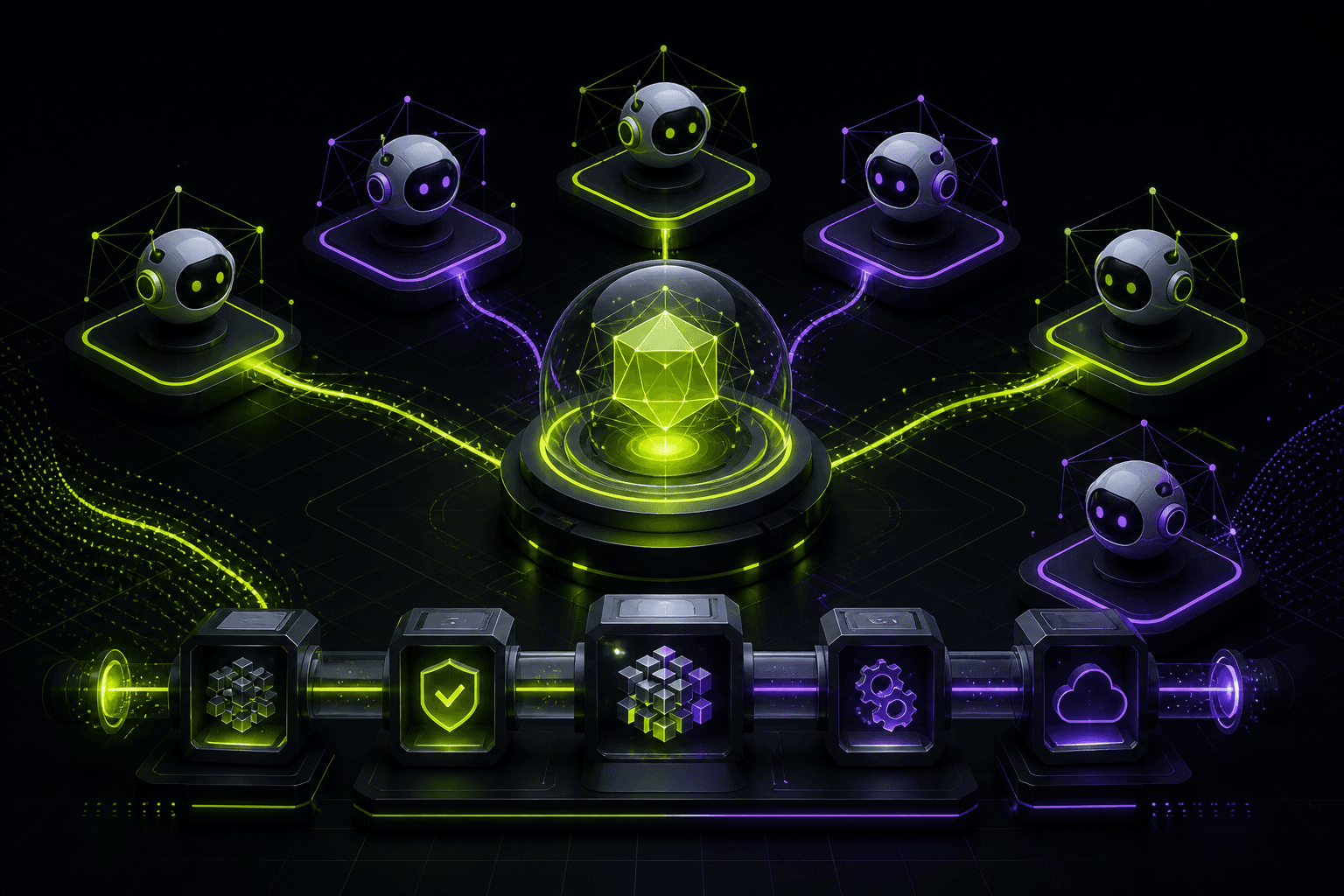
Next, separate planning from execution. Let the model propose an action, but run deterministic code to check authorization, limits, and business rules before anything changes. High-impact operations such as payments, deletions, or public messages should require human approval. Idempotency keys are equally important: retries must not send the same email twice or create duplicate records.
Observability turns mysterious behavior into something debuggable. Record the user goal, model response, tool calls, latency, token usage, and final outcome. Avoid logging secrets or sensitive user data. A trace should explain not only that the agent failed, but which decision and dependency caused the failure.
Finally, evaluate the system with repeatable scenarios. Build a small suite of realistic tasks, adversarial inputs, unavailable tools, and permission failures. Track completion quality, cost, latency, and unsafe-action rate. An agent is ready for production when failures are contained, visible, and recoverable—not when it succeeds once on stage.